Top Nike Competitors in the Sportswear Industry
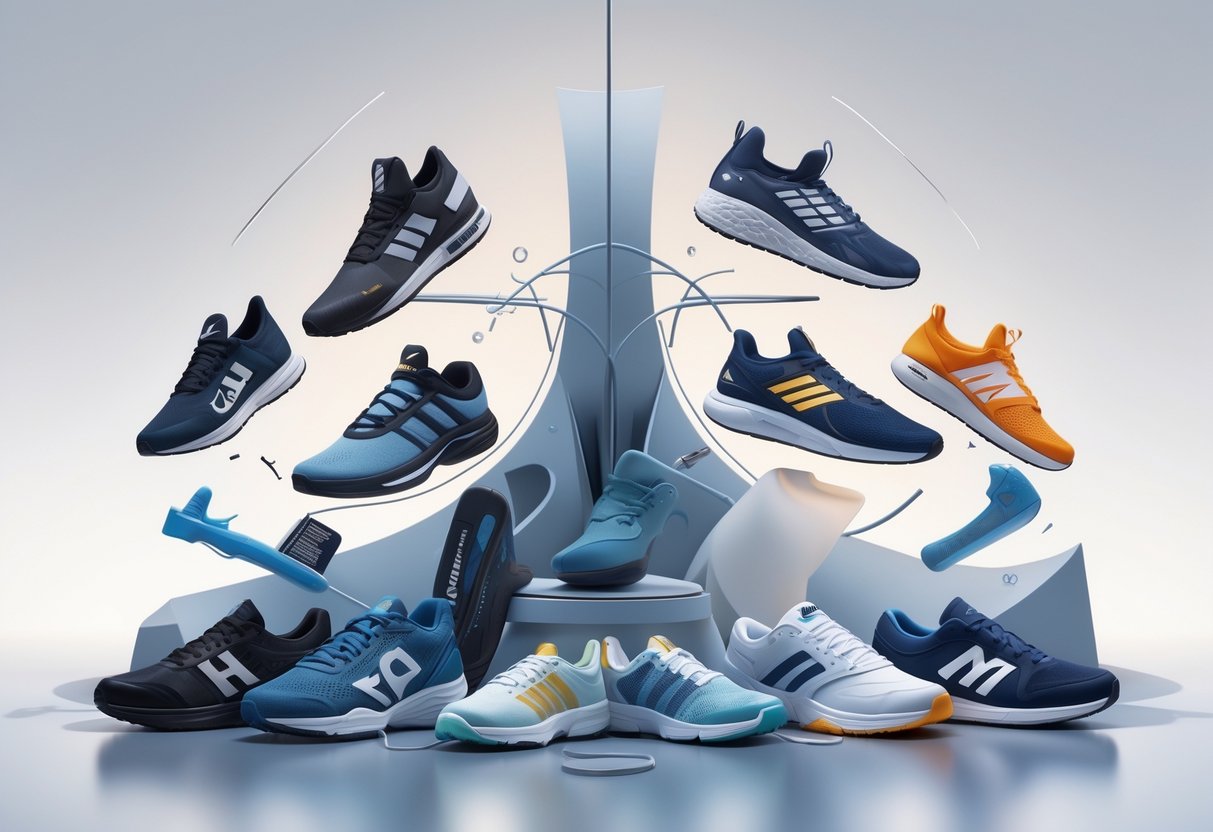
Nike faces significant competition from brands that excel in various segments of the sportswear industry. These competitors range from those with strong athletic footwear innovation to leaders in performance apparel and athleisure.
Each brand brings unique strengths, from Adidas’s technology-driven footwear to Lululemon’s dominance in activewear, shaping the highly competitive landscape of sports apparel and footwear.
Adidas
Adidas is Nike’s biggest global rival, known for its innovation in both sports footwear and apparel. It leads with advanced cushioning technology and partnerships with influential designers, such as its collaboration with Kanye West on Yeezy sneakers. Adidas targets performance athletes and lifestyle consumers alike, effectively bridging athletic wear and fashion.
The brand emphasizes sustainability in product materials and manufacturing, which appeals to environmentally conscious consumers. Adidas also holds a commanding presence in football (soccer) and basketball markets, competing directly with Nike’s athlete endorsements.
Puma
Puma is distinguished by its strong focus on both sports performance and lifestyle fashion. It blends cutting-edge footwear technology with stylish designs, often collaborating with celebrities and designers.
This approach targets younger demographics interested in athleisure culture. Puma invests in innovation like lightweight running shoes and performance apparel, positioning itself as both a functional sportswear brand and a fashion-forward option within the sportswear market.
Under Armour
Under Armour established itself through performance-focused athletic wear that caters primarily to serious athletes. The company emphasizes moisture-wicking fabric and compression gear to enhance athletic performance.
It has expanded its product line to include footwear and sporty casualwear, aiming to capture a larger segment of the athleisure market. Under Armour’s marketing often highlights professional athletes, reinforcing its credibility in competitive sports.
Lululemon Athletica
Lululemon Athletica has rapidly grown beyond yoga apparel to become a major player in performance activewear and athleisure. It focuses on high-quality fabrics and fit, targeting premium consumers with products that transition from workout to daily wear.
Known for technical innovations in moisture management and breathability, Lululemon appeals strongly to women but has broadened its offerings for men too. Its strong community engagement and brand loyalty are key to its success.
ASICS
ASICS remains a leader in running shoes and performance footwear. The brand is well-regarded for its gel cushioning technology and precise biomechanics in shoe design.
ASICS targets serious runners and athletes requiring reliable support and durability over styling trends. This specialization keeps it competitive in the athletic footwear market, especially among those prioritizing function above fashion.
New Balance
New Balance combines heritage with innovation in athletic footwear and apparel. It focuses on comfort and fit, producing shoes that cater to a wide range of foot shapes and sizes.
This brand is known for domestic manufacturing in the U.S. and U.K., which appeals to a segment valuing quality craftsmanship. New Balance balances technical running shoes with versatile lifestyle sneakers and has increased its presence in athleisure markets.
Skechers
Skechers operates in both performance footwear and casual sportswear segments, offering a broad range of products that emphasize comfort and affordability. Its memory foam technology is popular among casual wearers and walking enthusiasts.
While not as focused on high-performance sports as Nike, Skechers capitalizes on lifestyle and athleisure trends. The brand continues expanding its presence in the global sportswear market through diverse product lines.
Reebok
Reebok, a subsidiary of Adidas, competes by blending fitness-focused athletic wear with streetwear elements. It has revitalized its brand by targeting CrossFit and training communities.
Reebok emphasizes durable and functional training shoes and apparel. It has carved a niche with fitness enthusiasts, contrasting Nike’s broader sports market dominance while still participating in athletic footwear innovation.
Fila
Fila is recognized for its retro-inspired sportswear and activewear, appealing to consumers interested in vintage style combined with performance. The brand has revitalized itself through collaborations and trendy athleisure collections.
Fila’s products focus on casual wearability and mid-range pricing, catering to younger consumers looking for fashion-forward sportswear with a heritage brand identity. It is a growing competitor in the diverse sportswear landscape.
Competitive Strategies and Brand Differentiation
Nike’s competitive edge comes from a combination of continuous innovation, strategic partnerships, and evolving business models. These factors help Nike maintain leadership in performance footwear and activewear while addressing changing consumer preferences and market dynamics.
Technology and Product Innovation
Nike invests heavily in research and development to create advanced cushioning technologies like Boost and memory foam alternatives that enhance comfort and performance. Their products often incorporate gel cushioning technology and other proprietary materials designed to improve energy return and reduce impact.
Performance running shoes utilize these innovations to cater to athletes’ needs, offering both durability and responsiveness. Nike also integrates smart features and lightweight designs across its sports equipment range. This commitment to technology supports Nike’s positioning as a premier sports brand with cutting-edge products designed for serious athletes and everyday users.
Athlete and Celebrity Collaborations
Collaborations with high-profile athletes and celebrities reinforce Nike’s brand authority and consumer appeal. Partnerships with figures like LeBron James and Serena Williams drive product relevance and loyalty.
These collaborations often result in exclusive product lines that highlight performance and style, merging athletic utility with cultural influence. By leveraging athletes’ credibility, Nike creates emotional connections with consumers and differentiates itself from competitors who may lack similar endorsement depth.
Sustainability and Manufacturing
Nike is increasingly incorporating sustainable practices into its manufacturing processes. Efforts include using recycled materials and reducing waste in production facilities. The company promotes initiatives aimed at minimizing environmental impact without compromising product performance.
While Nike’s manufacturing footprint remains global, there is a focused effort on transparency about sourcing and supply chains. Sustainable innovation extends to activewear lines designed for durability and environmental consideration, aligning with consumer demand for eco-friendly products.
Pricing and Direct-to-Consumer Channels
Nike balances premium pricing with strategic direct-to-consumer (DTC) sales to maximize margins and control brand experience. Through its website and owned retail stores, Nike offers exclusive releases and personalized shopping options.
This DTC approach reduces reliance on third-party retailers, allowing Nike to gather detailed customer data and respond quickly to market trends. Price tiers vary across product lines, supporting broader accessibility while maintaining the brand’s aspirational status in performance footwear and sports apparel markets.
Emerging Players and Global Market Trends
The sportswear market continues to diversify with new players reshaping competition. Key shifts include the rise of Chinese brands expanding globally, athleisure disruptors tapping younger, style-conscious consumers, and heritage footwear companies leveraging their niche appeal. These forces are driving innovation and altering market share dynamics.
Chinese Sportswear Brands
Chinese brands like Anta and Li-Ning have grown significantly, blending advanced technology with competitive pricing and expanded international presence. Anta notably acquired Amer Sports, gaining control over global names such as Salomon and Arc’teryx, which strengthens its reach beyond China.
Li-Ning focuses on modern design fused with cultural heritage, appealing to both domestic and global markets. Both companies invest heavily in innovation and sponsorships of major sports events to elevate brand recognition. Their growth reflects China’s increasing consumer spending and a strategic push to compete with Western giants.
The expansion of Chinese sportswear is part of a broader trend where local brands combine affordability with style, challenging Nike’s market dominance in Asia and beyond.
Athleisure Disruptors
Athleisure brands like Gymshark and On Running have carved out significant market segments by targeting millennial and Gen Z consumers who prioritize comfort and lifestyle. Gymshark excels through digital-first marketing, leveraging social media and influencer partnerships, creating a strong community feel.
On Running, with its innovative footwear technology focused on performance and cushioning, challenges traditional brands by appealing to serious runners seeking alternatives to Nike and Adidas. This brand’s growth includes collaborations and expanding retail presence globally.
These disruptors emphasize authenticity, direct-to-consumer models, and unique product innovation. Their agility in meeting evolving consumer preferences forces established brands to reconsider traditional retail and marketing strategies.
Heritage and Niche Footwear Companies
Heritage brands such as Onitsuka Tiger and Vans maintain strong appeal through nostalgia and distinctive styles. Onitsuka Tiger, owned by Asics, combines retro aesthetics with modern comfort, attracting consumers interested in heritage craftsmanship.
Vans, part of the Authentic Brands Group, leverages its skate culture roots and lifestyle branding to remain iconic while expanding into lifestyle segments beyond skateboarding. It uses collaborations with artists and streetwear brands to stay relevant.
Deckers, owning Hoka and also UGG, strengthens niche positioning by focusing on specialty running shoes and comfortable everyday wear. These companies cater to consumers seeking alternatives to mainstream sports performance gear, emphasizing authenticity and subculture appeal.
These brands maintain a loyal customer base by blending authenticity with selective innovation, providing alternatives that contrast Nike’s broad-spectrum approach.
For further insight on top competitors and analysis, refer to Top Nike Competitors and Alternatives.
